




海之墟驿站
Ruin of Sea
海之墟驿站
Ruin of sea
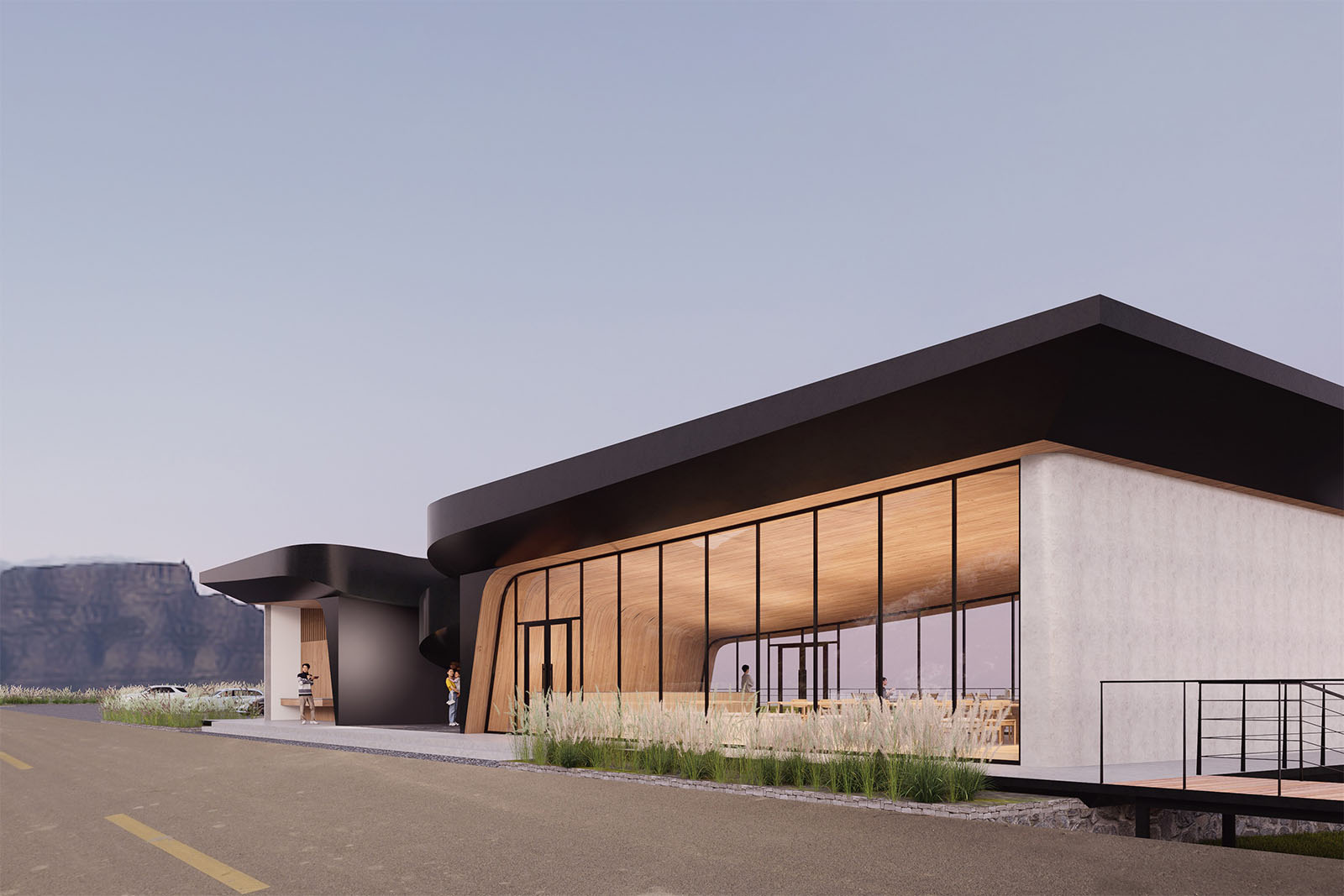
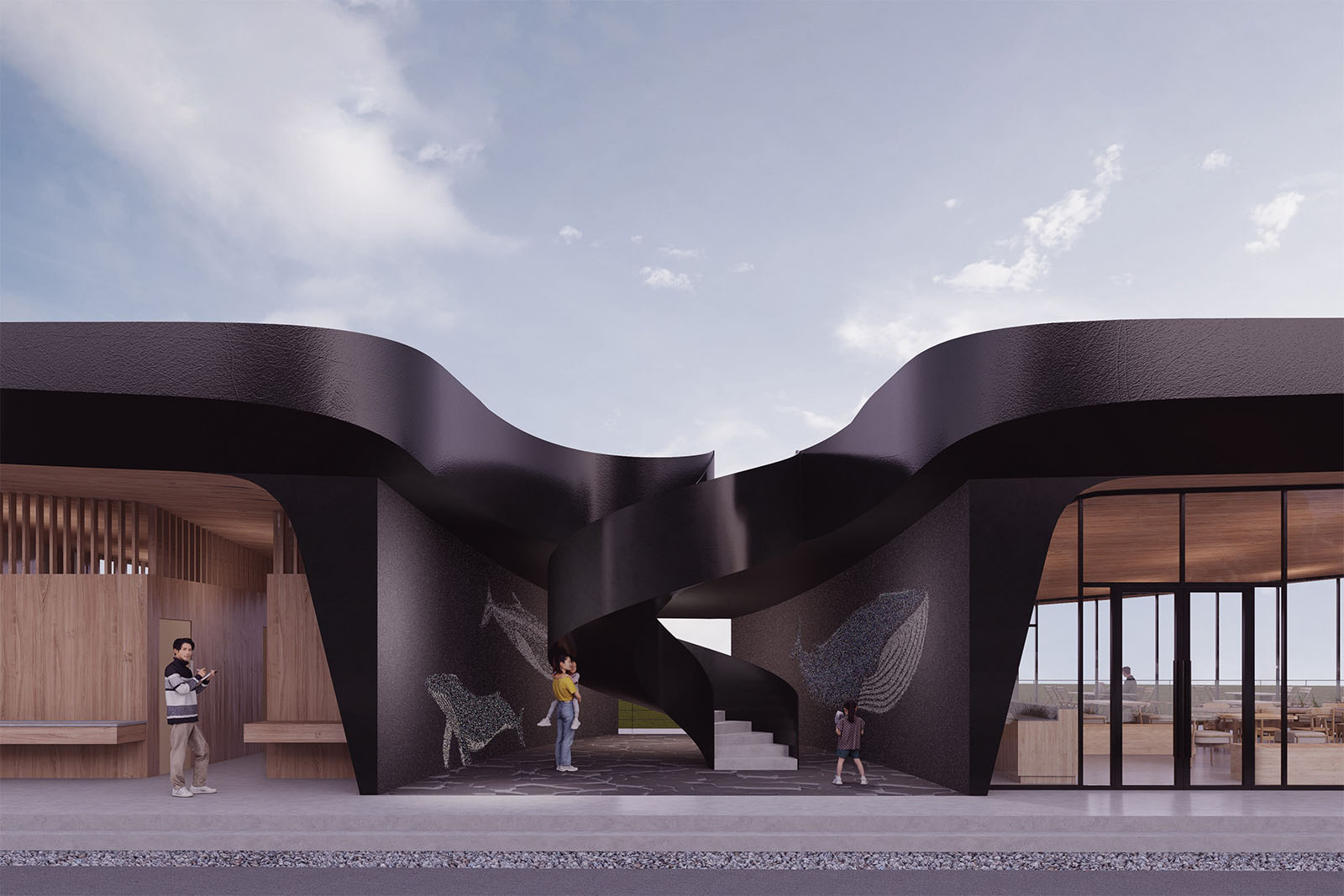
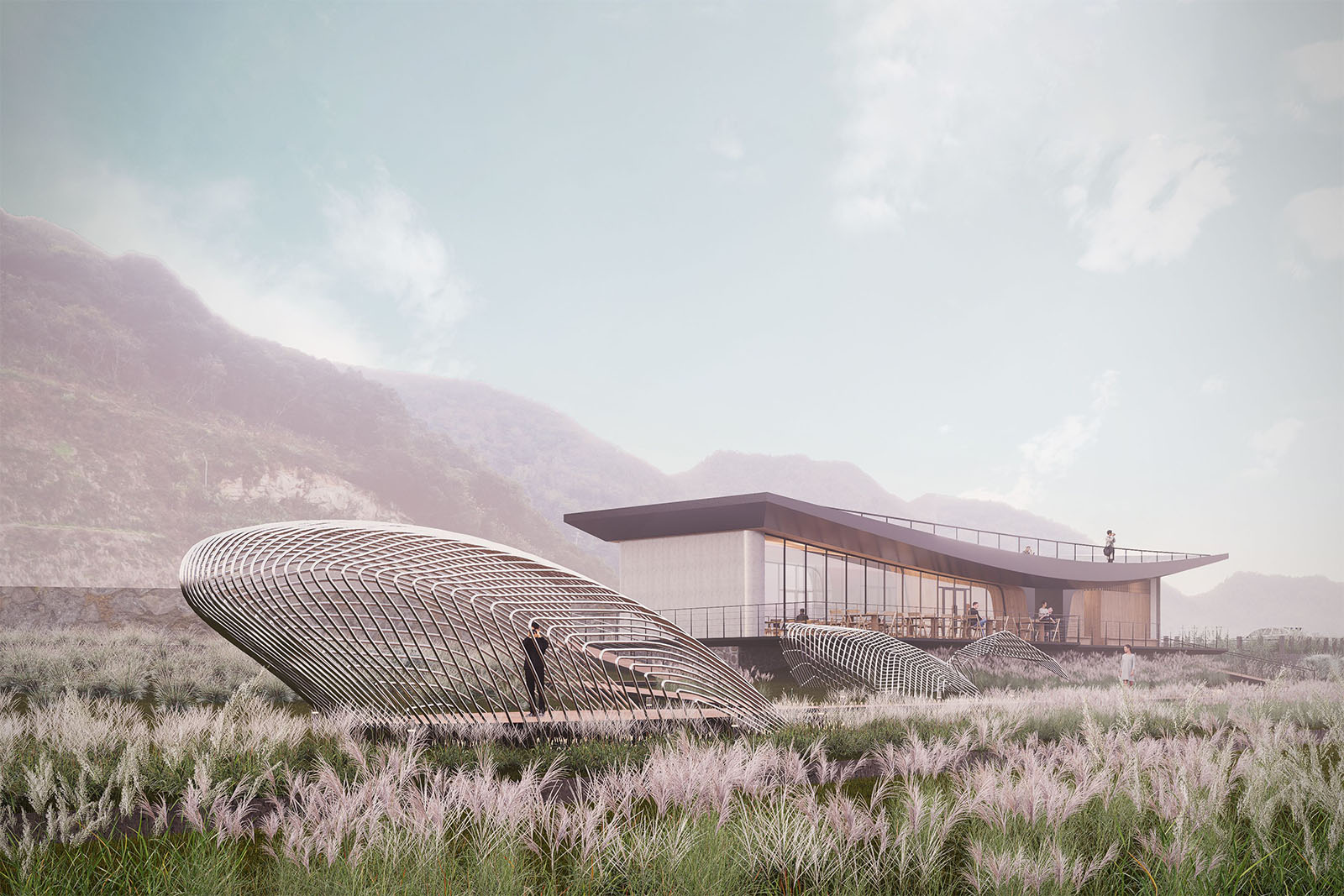
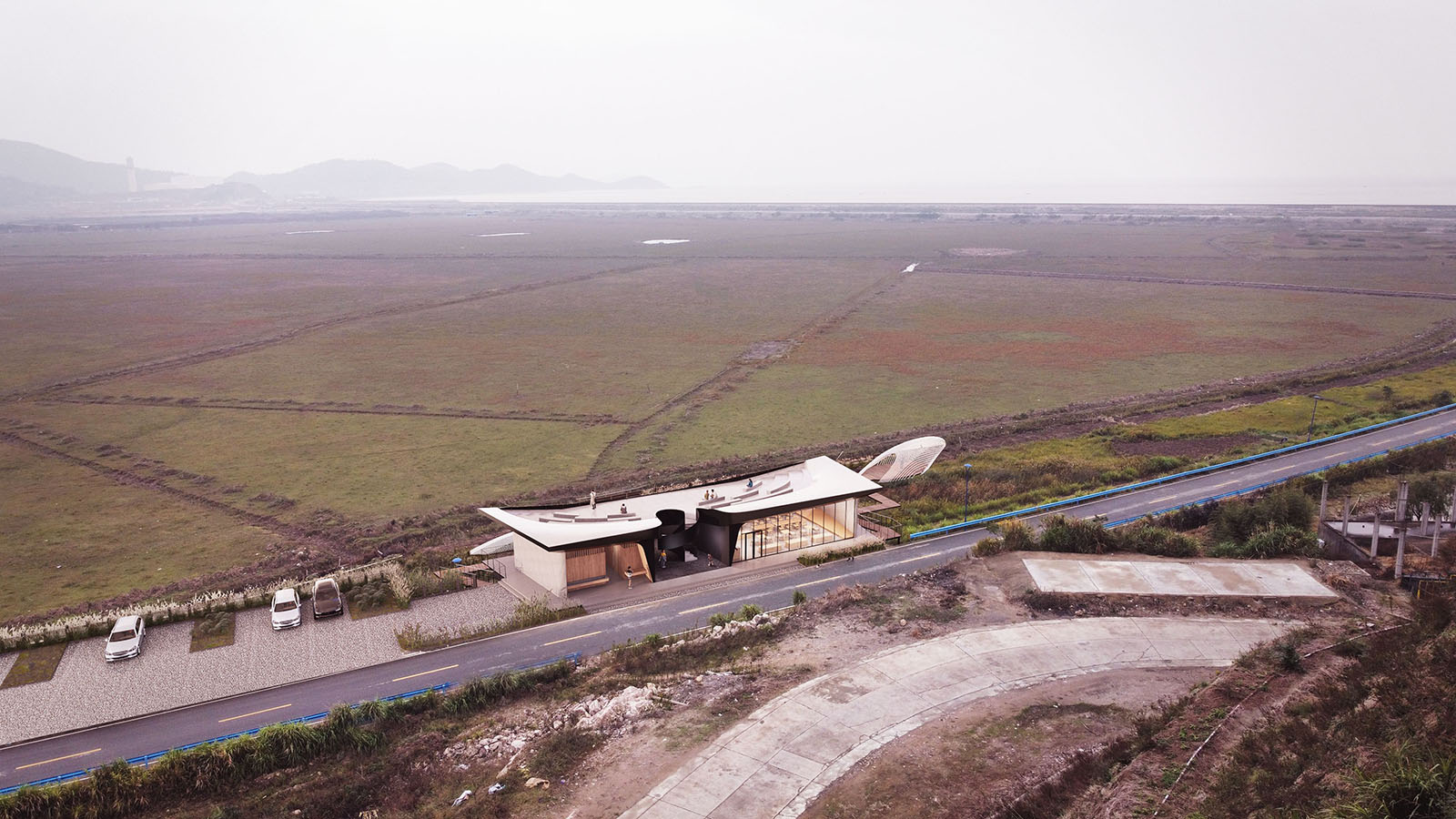
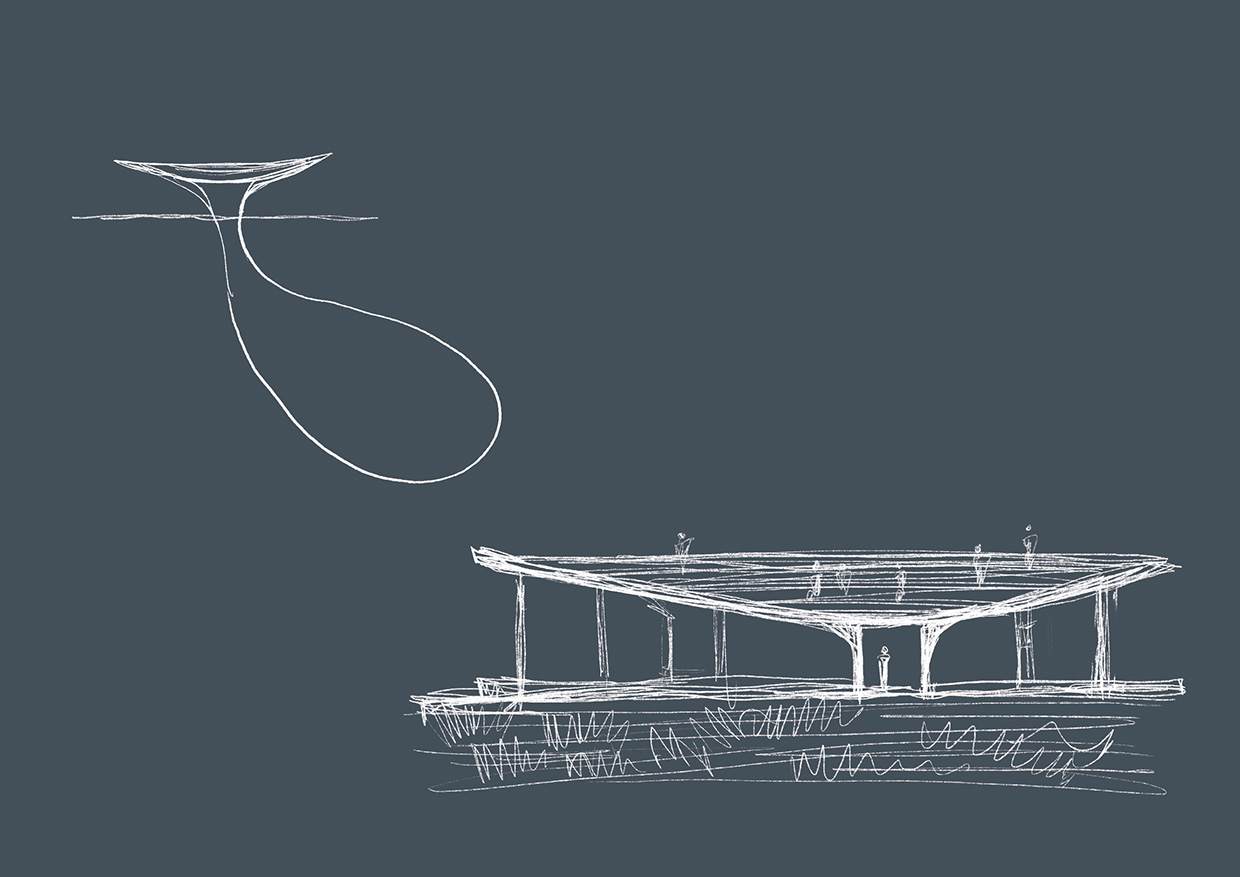
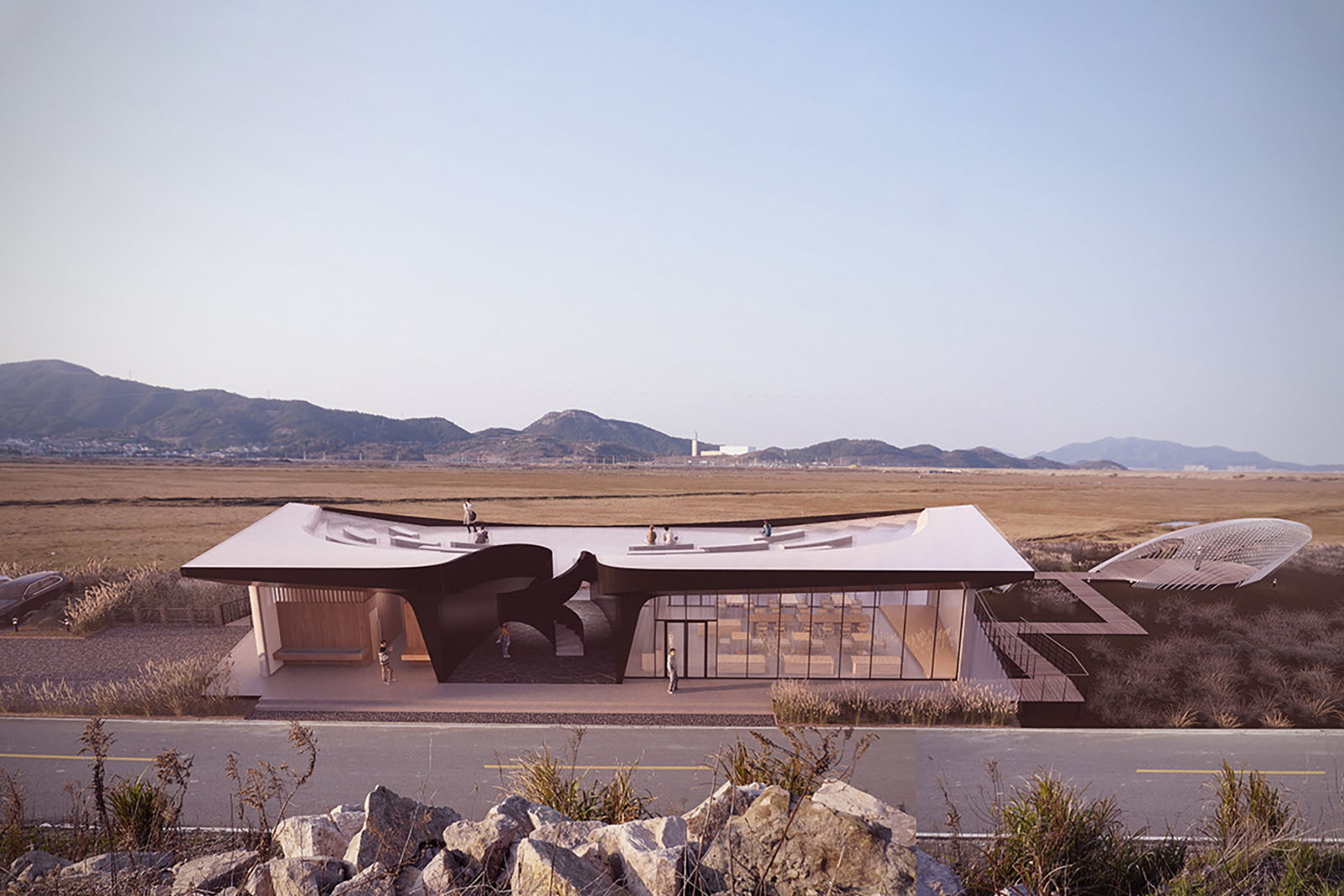
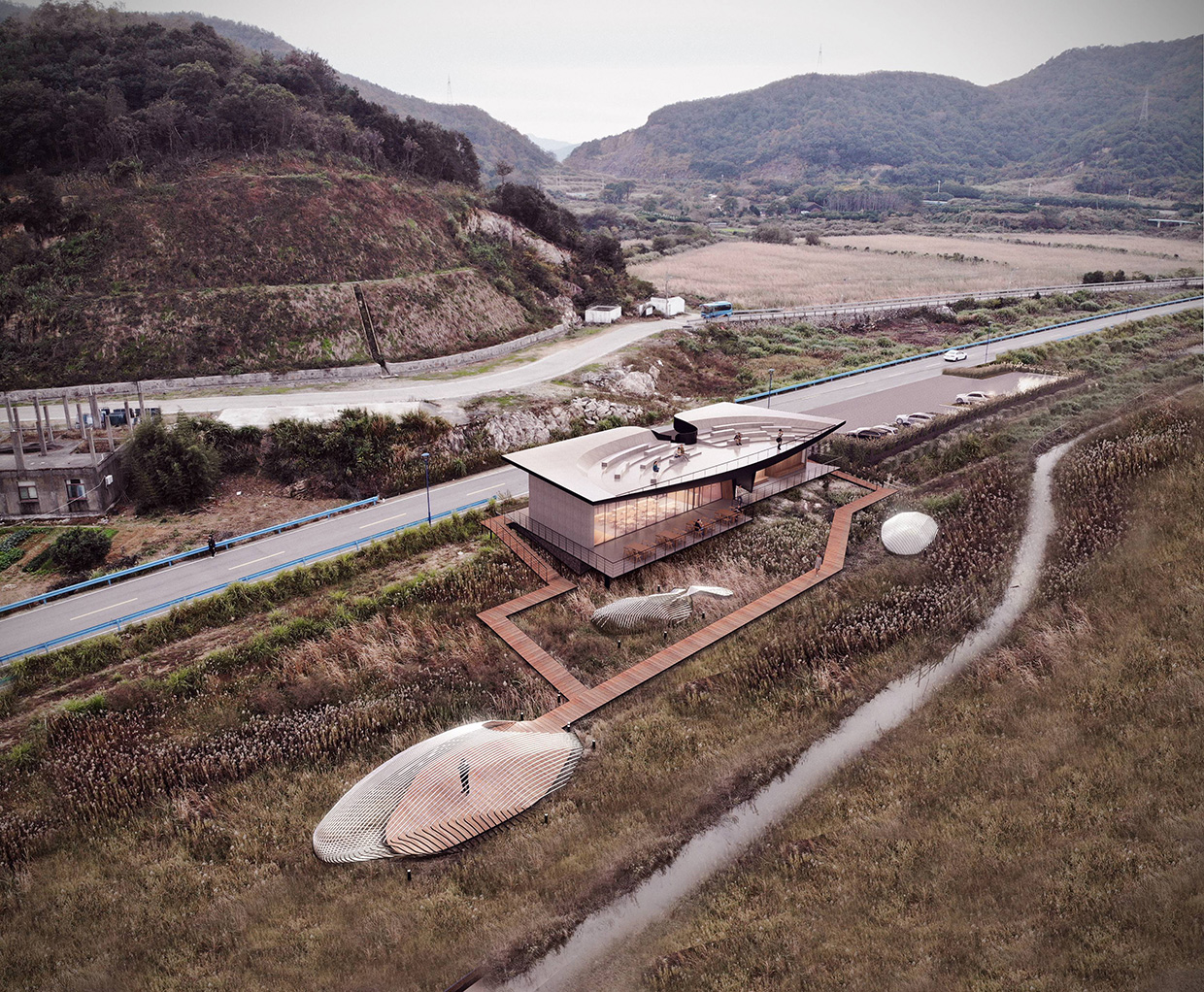
海之墟场地位于象山的东海大草原。曾经的大海历经人们世代的围垦变为海塘,海塘退化形成了今天的大草原。当我们眺望这片草原,脑海中浮现的仿佛是千百年前海洋生物在如今成为草原的大海中畅游跃动的景象。而作为大海生命象征的鲸,又与象山有着密切的联系。无论是鱼师庙中发现的鲸鱼骸骨,还是被象山人民送回海洋的抹香鲸,又或是象山祠堂中的鲸骨梁,都印证了象山与鲸的不解之缘。驿站以鲸尾为灵感,捕捉了一只鲸鱼潜入海面露出尾部的动态。通过驿站,让人意识到在这片苍茫的草原下仿佛有一只巨大的鲸,让人回想起这片草原关于海洋的遥远回忆。鲸尾的形状承托起了望向草原的屋顶剧场,游客也可以从鲸尾之中穿过,去向草原。从草原望去,驿站的屋顶如同翻起的鲸尾,如同张开的双翼,又如海上的行舟,让人们将草原与大海,现在与过去联系起来。
The Haizhixu site is located on the East China Sea grassland of Xiangshan. The former sea has undergone generations of reclamation and has become a seawall, which has degenerated into today’s grasslands. When we gaze at this grassland, what comes to mind seems to be the scene of marine life swimming and jumping in the sea that has now become a grassland thousands of years ago. As a symbol of the sea’s life, whales are closely related to Xiangshan. Whether it is the whale bones found in the Fish Master Temple, the sperm whales sent back to the ocean by the people of Xiangshan, or the whale bone beams in the Xiangshan Temple, all confirm the inexplicable bond between Xiangshan and whales. The relay station was inspired by the whale tail and captured the movement of a whale diving into the sea and exposing its tail. Through the relay station, people realize that there is a huge whale under this vast grassland, reminding them of the distant memories of the ocean in this grassland. The shape of the whale tail supports the rooftop theater overlooking the grassland, and tourists can also pass through the whale tail to reach the grassland. Looking from the grassland, the roof of the post station is like a flipped whale tail, like open wings, or like a boat on the sea, connecting the grassland with the sea, the present with the past.